
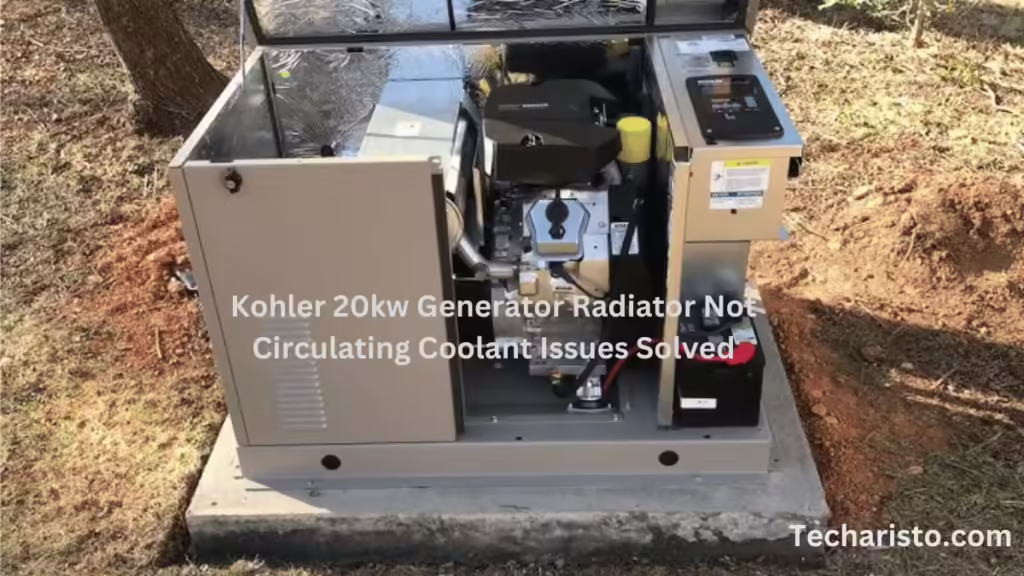
Generators like the Kohler 20kW are efficient power sources for residential and commercial use. But, like any other modern machinery, generators can face problems. One common problem is the inefficient circulation of the coolant inside the radiator. Let’s learn the reasons behind this problem and how to fix it, including useful suggestions to protect your generator from damage in the future.
Common Causes of Coolant Circulation Issues
- Low Coolant Levels
- Radiator Blockages
- Faulty Thermostat
- Water Pump Problems
- Air Pockets
- Hose Blockages
Low Coolant Levels
Low coolant levels are one of the most basic and simple yet ignored issues, which can cause overheating and other serious problems, such as engine failure.
Radiator Blockages
Debris, dust, dirt, and other particles can cause and prevent airflow, and restrict the coolant flow, mostly in dusty environments.
Faulty Thermostat
When the thermostat fails, it can stay in the closed position. Even if the engine gets hot, preventing coolant flow.
Water Pump Problems
If the water pump fails, it will fail to circulate coolant in the engine system, which in turn will lead to overheating of the engine.
Air Pockets
After changing the coolant, if it’s not done right, air pockets can form and stop the coolant flow.
Hose Blockages
Due to sedimentation or physical damage, some hoses can be blocked or damaged by kinks inside the tube, which will limit the coolant flow
Solutions and Troubleshooting Tips
- Maintain Optimal Coolant Levels with Recommended Types
- Brush or Air Clean Radiator Fins
- Test and Replace Faulty Parts
- Inspect and Address Leaks or Damage
- Lower System Pressure via Radiator
- Lower System Pressure via Radiator
- Replace Blocked or Damaged Hoses
Maintain Optimal Coolant Levels with Recommended Types
Always make sure to fill up the coolant as per the manufacturer-recommended types.
Brush or Air Clean Radiator Fins
Use a small brush or carefully directed air to remove dirt from the radiator fins.
Test and Replace Faulty Parts
Test by placing it in hot water to see if it opens, and replace it if it is faulty.
Inspect and Address Leaks or Damage
Check for any leaks or wear and tear. If you notice that any of them are irreparably damaged, you should seek a specialist’s help and an appropriate replacement.
Lower System Pressure via Radiator
Open the engine’s holes or cover to let the cooling liquid in the radiator come out and lower the system’s pressure.
Replace Blocked or Damaged Hoses
Replace any blocked or damaged hoses to ensure free coolant flow.
The Importance of Regular Maintenance
Checking the indicators like checking the level and cleanliness of the coolant, cleaning the radiator fins, and checking for leakages has to be done. These regular activities not only increase the cooling capacity and cut fuel consumption, but also significantly reduce the chances of failure. Scheduled cleaning and servicing will ensure the radiator does not gather dirt, which will restrict the output.
Interesting Post Suggestion: Disconnected Power on Heat Pump But Light keeps Blinking Anyways
Signs Your Radiator Needs Repairs
Look for these signs that your radiator needs repair, such as:
- Overheating
- Coolant Leaks
- Decreased Performance
- Frequent Stalling
- Increased Fuel Consumption
- Unusual Noises
- Overheating: The continuous high temperatures of the engine lead to poor dissipation of heat.
- Coolant Leaks: Visibal leakages are a cause of overheating and engine damage.
- Decreased Performance: Cooling that doesn’t work well can lead to changes in power output fluctuations.
- Frequent Stalling: Engines getting too hot can cause a sudden shutdown.
- Increased Fuel Consumption: A failing engine can burn more fuel.
- Unusual Noises: These could point to issues within the cooling system.
Preventive Maintenance and Cooling System Upgrades
Scheduled check-ups and cleanings are part of preventive maintenance. This helps spot possible problems early and avoid sudden malfunctions. Also, think about improving your cooling system with new methods to boost its performance and manage bigger loads. This makes sure your generator can meet future power needs properly.
When to Seek Professional Help
There are issues that can be solved using basic mechanical skills, but in cases of repeated problems or persistent overheating, it is best to call a specialist. It’s also worth noting that their help is necessary. Your generator requires reliable repairs that certified technicians can provide in a correct and safe manner, without causing more damage to your generator.
Conclusion:
Learning why coolant flow problems occur in a Kohler 20kW generator and what solutions are available is helpful in both saving time and costs. All these can be achieved with regular servicing, fixing problems when they appear, and timely upgrading the generators as appropriate.